What is a Listed Building?
In this piece we shall discuss in general terms what is a listed building and also what can be a listed buildign.
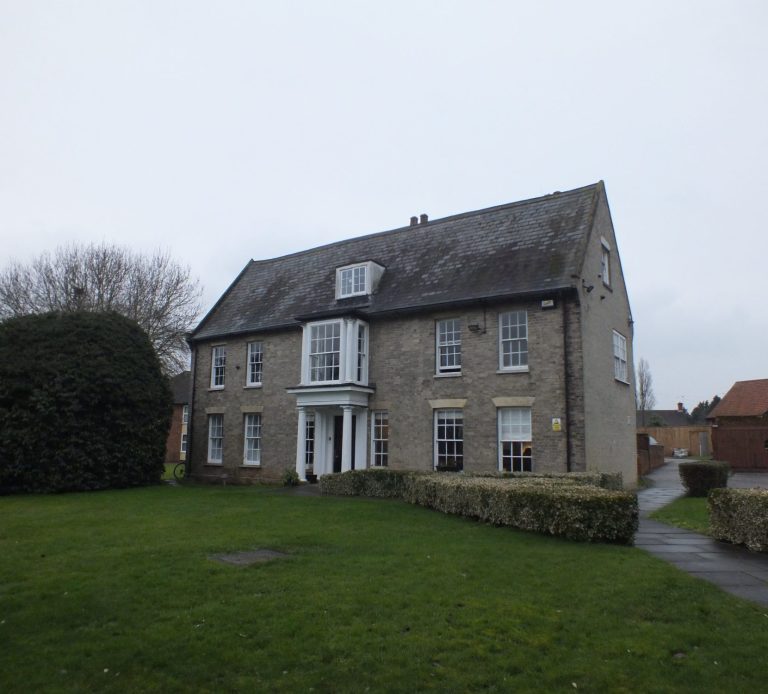
Southeast Elevation of grade II listed building housing the Specialist Care Facility Ipswich, Suffolk which East Anglian Heritage as written a successful HIA to aid in development of the care facility there © East Anglian Heritage.
A Listed Building is:
A listed building is a man made building or structure which is protected under law which is of special architectural or historical interest to the nation.
These building and structures are recorded on the 'National Heritage List for England' (NHLE) which is the only authoritative list of listed building in that it is approved by the Secretary of State, therefore only buildings upon this list are listed under law.
A listed building or structure has wide ranging controls over modifications of the building placed upon it by the Planning (Listed Buildings and Conservation Areas) Act 1990.
'no person shall execute or cause to be executed any works for the demolition of a listed building or for its alteration or extension in any manner which would affect its character as a building of special architectural or historic interest, unless the works are authorised.'
A Listed Building can be:
A listed building can be any man made building, structure of part of.
Some listed building are the whole building, while other are only parts of the building. Some listed buildings are external garden walls, sculptures, surviving parts of a wider building complex, upstanding ruins.
Some listing cover the whole building and adjacent building and structures under what is known as curtilage listing, other listing are very specific to certain elements of a part of a building or structure.
In a single sentence 'A Listed Building is:'
A man made building or structure which is of national importance for its special architectural and/or historical interest nationally, and is recorded as such on the National Heritage List for England as such.
What are the risk of associated with a Listed Building?
Listed Building represent risk and opportunities for developers and owners. Listed Building have protection under law form being modified or having their setting modified which would damage their special architectural and historic significance to the nation.
This means:
- When seeking to undertake works which could affect a listed building Local Planning Authorities have enhanced controls over potential developments.
-Not only are listed building a matter for planning application, but also require Listed Building consent for works of alterations, extensions or demolitions upon a listed building.
-When proposing development within the setting of a listed building/s, the Local Planning Authorities will take this into account when determining the proposed planning application.
If you wish to seek further professional help please just contact East Anglian Heritage, click here for our contact page.
Written by Karl Hanson MA BA(hons) ACIfA Director of East Anglian Heritage
September 2025
View Across adjoining 1960-1970 soical housing to the Southwestern elevation of the grade II listed building at Ipswich, Suffolk showing a different elevation of White House © East Anglian Heritage
East Anglian Heritage is proud to be
A Member of FAME
Federation of Archaeological Managers and Employers, the trade body for Archaeology Sector