What does a Grade of Listed Building mean?
Listed buildings are graded into II, II* and I, however it is not always clear what is the difference between a grade II, II* and grade I listed building, and what does it mean in planning terms.
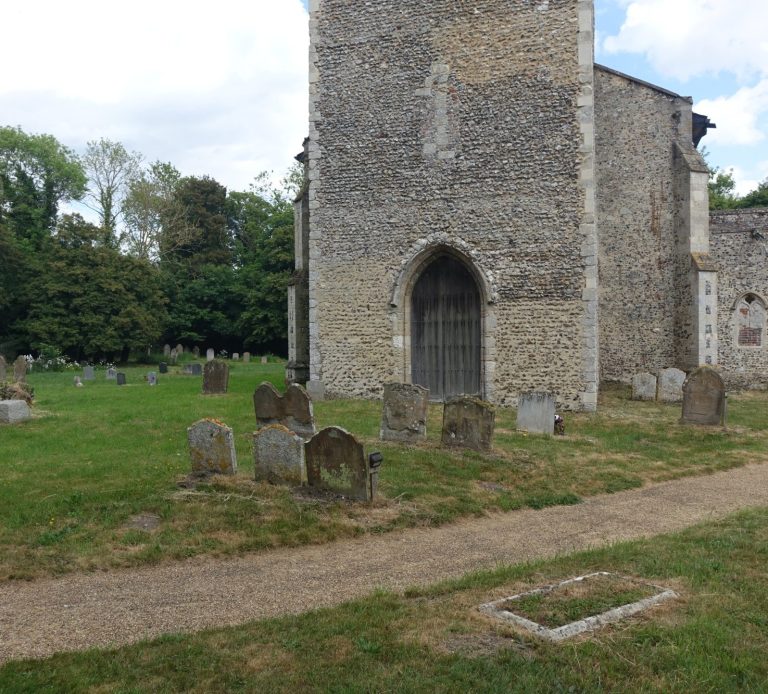
The western elevation of the Church of St Lawrence in Brundish, Suffolk and example of a grade I listed building where munch of the significance comes from features within the church © East Anglian Heritage.
The Grades what do they mean?
There are three grades of listed building:
-Grade II buildings are of special interest for the architectural and/or historical interest (these make up 91.7% of the total listed buildings in England);
-Grade II* buildings are particularly important building of more than special interest (these make up 5.8% of the total listed buildings in England);
-Grade I building are of exceptional interest (these make up 2.5% of the total listed buildings in England).
Listed Building require the same test within the planning system under Planning (Listed Buildings and Conservation Areas) Act 1990 and the National Planning Policy Framework 2024.
In the 1990 act notes that:
'special regard to the desirability of preserving the building or its setting or any features of special architectural or historic interest which it possesses.'
In case law of the English Courts and NPPF this 'special regard' has been developed in conjunction with the idea that 'Great Weight' should be placed upon conserving a listed building. However, this 'Great Weight' is not uniform and is quiet variable in how the Local Planning Authority should weight the negative impacts against the public benifits of a scheme.
What the difference in Planning terms between the Grades?
There are levels of grading the impacts of development noted in NPPF 2024 which affect all listed building of all grades:
-Substantial harm or total loss of grade II building should be exceptional, while for grade II* and I wholly exceptional;
-While less than substantial harm to the significance of a designated heritage asset this harm should be weighed against the public benefit noting that 'Great Weight' should be place upon conservation.
Therefore NPPF notes that for the most serous impacts to listed buildings there is a difference between grades II and grades II* and I in the how exceptional granting permission should be. The NPPF does not differentiate between grade II, II* and I when assessing the impacts of less than substantial harm, however the courts of England have weighed in this matter.
In Barnwell Manor Wind Energy Limited V East Northamptonshire District Council [2014] EWCA CIV 137, in the written judgement of Lord Justice Sullivan notes in regards to the statutory duty under section 66(1) of the 1990 Act that:
-There is variation in Weight of strong presumption against the granting of planning permission between grade II, II* and I listed buildings;
-That the Weight of the strong presumption against the granting of planning permission is also variable with the variation in strength of harm to the significance of the listed building.
Therefore, the grade of listed building will alter the strength of the weight to which a Local Planning Authority will put in resisting change to the significance of the listed building, the higher the grade the stronger the presumption against planning permission which in turn is measured against the public benefits of the proposal.
Is this why Heritage Consultants are employed?
Yes, Heritage consultant work on the behalf of clients to identify the significance of a heritage asset, to understand the weight against planning permission and to highlight to the Local Planning Authority the relevant public benefits which outweigh the identified harm. Heritage Consultant work on behalf of client aiding clients navigate the complex set government legislation, local authority red tape and court presidents with the aim of aiding client to obtain a granting of planning permission is a timely and cost effective maner.
If you wish to seek further professional help please just contact East Anglian Heritage, click here for our contact page.
Written by Karl Hanson MA BA(hons) ACIfA Director of East Anglian Heritage
September 2025
View Across the grade II listed bridge at Rackheath Park, Norfolk an example of a grade II listed structure © East Anglian Heritage
East Anglian Heritage is proud to be
A Member of FAME
Federation of Archaeological Managers and Employers, the trade body for Archaeology Sector